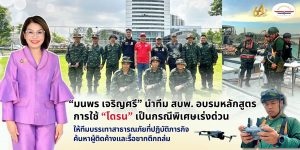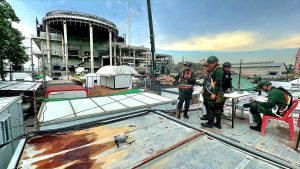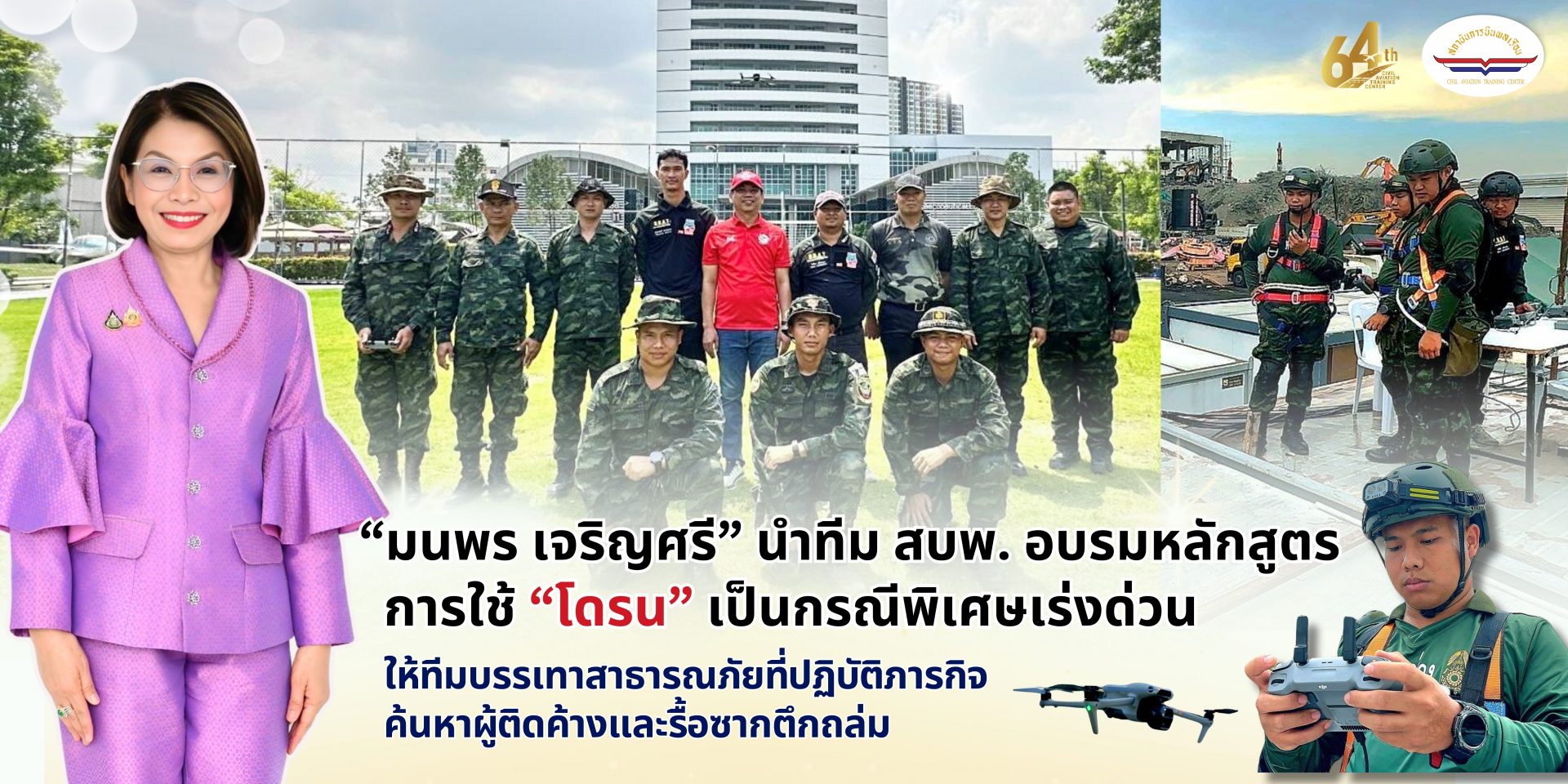
นางมนพร เจริญศรี รัฐมนตรีช่วยว่าการกระทรวงคมนาคม เปิดเผยว่า กระทรวงคมนาคมพร้อมสนับสนุนทุกภารกิจของประเทศ ควบคู่กับการให้ความสำคัญในการนำนวัตกรรมโดรนเข้ามาใช้อย่างถูกต้อง เพื่อยกระดับอุตสาหกรรมด้านการบินไปสู่ความทันสมัย ภายใต้มาตรฐานความปลอดภัย สำหรับการปฏิบัติภารกิจของทีมบรรเทาสาธารณภัย ที่เร่งค้นหาผู้ติดค้างและการรื้อซากอาคารสำนักงานตรวจเงินแผ่นดินจากเหตุแผ่นดินไหวนั้น การใช้โดรนจะมีส่วนช่วยในการปฏิบัติงานที่อยู่ในมุมสูงที่อาจเป็นอุปสรรคต่อการทำงานของเจ้าหน้าที่ จึงได้มอบนโยบายให้สถาบันการบินพลเรือน (สบพ.) โดยกองวิชาบริการการจราจรทางอากาศ จัดการฝึกอบรมหลักสูตรการบังคับอากาศยานไร้คนขับ เพื่อการบรรเทาสาธารณภัยเป็นกรณีพิเศษเร่งด่วน
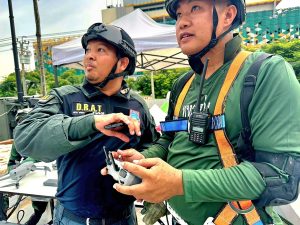
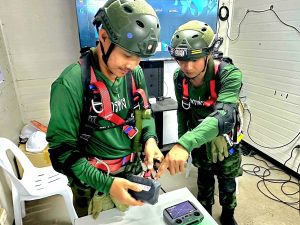
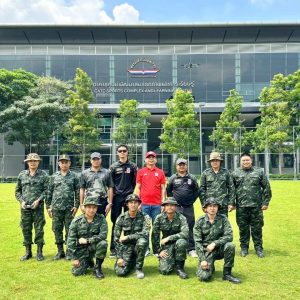
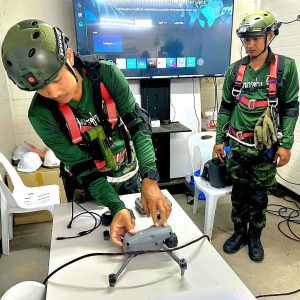
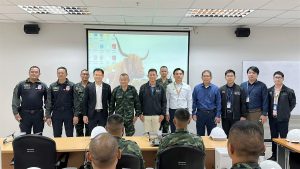
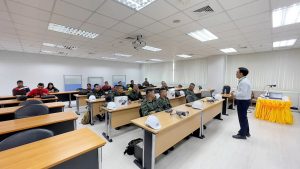
โดยฝึกอบรมทั้งภาคทฤษฎีและปฏิบัติให้แก่เจ้าหน้าที่ทหารจากกรมทหารช่างที่ 11 จังหวัดราชบุรี และเจ้าหน้าที่จากสำนักป้องกันและบรรเทาสาธารณภัย กรุงเทพมหานคร รวมทั้งสิ้น 15 คน ระหว่างวันที่ 18 – 19 เมษายน 2568 ณ สบพ. กรุงเทพฯ
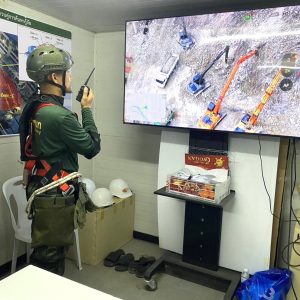
นางมนพร กล่าวเพิ่มเติมว่า สำหรับในภารกิจสำคัญในการเร่งค้นหาผู้ติดค้างและรื้อซากจากเหตุการณ์อาคารสำนักงานตรวจเงินแผ่นดินถล่ม จากเหตุการณ์แผ่นดินไหวครั้งนี้ สบพ. ได้มีส่วนร่วมในการผลักดันให้ผู้เข้ารับการฝึกอบรมได้รับองค์ความรู้ที่จำเป็นต่อการปฏิบัติงานบังคับอากาศยานไร้คนขับ หรือ โดรน ทั้งภาคทฤษฎีและภาคปฏิบัติ เพื่อนำไปปฏิบัติหน้างานได้อย่างปลอดภัย ถูกต้องตามระเบียบข้อบังคับ และได้ผลลัพธ์ที่มีประสิทธิภาพ โดยเฉพาะในงานบรรเทาสาธารณภัย ที่โดรนถูกนำไปใช้ในการค้นหาและช่วยเหลือผู้ประสบภัยใน
สถานการณ์ฉุกเฉิน เช่น แผ่นดินไหว น้ำท่วม หรือเหตุการณ์สูญหายในพื้นที่ห่างไกล ซึ่งโดรนสามารถติดตั้งกล้องความร้อนและเซ็นเซอร์ตรวจจับการเคลื่อนไหว ทำให้ทีมกู้ภัยสามารถระบุตำแหน่งของผู้ประสบภัยได้อย่างรวดเร็ว
ทั้งนี้ เนื่องจากปัจจุบันโดรนได้รับความนิยมในการใช้งานกันอย่างแพร่หลาย และมีการพัฒนาเทคโนโลยีอย่างรวดเร็ว รวมทั้ง มีประสิทธิภาพสูงมาก สามารถทำงานได้หลายอย่าง นอกจากนี้ยังมีศักยภาพในการบินที่สูงมากขึ้นด้วย สำหรับหน่วยงานที่สนใจ สบพ. ยังเปิดหลักสูตรฝึกอบรมด้านอากาศยานไร้คนขับ อีก 11 หลักสูตร ซึ่งสอดคล้องกับความต้องการในการใช้ประโยชน์ของหน่วยงานต่าง ๆ อีกด้วย
Miss Manaporn Charoensri, Deputy Minister of Transport, revealed that the Ministry of Transport was ready to support all missions for assisting the country, in alignment with placing importance to the correct use of drones, in order to uplift the aviation industry toward modernity, under the safety standards for the missions and operations carried out by the Disaster Relief Operational Team. Pacing up, The Disaster Relief Operational team rescued workers who were trapped in the collapsed State Audit Office (SAO) Building, searched for bodies, and dealt with debris of the damaged SAO Building resulted from the earthquake. The use of drones would support the search and rescue operations in the bird’s eye view, since working in a high angle could be an obstacle for search and rescue officers. Miss Manaporn Charoensri urgently transferred the transport policies to the Air Traffic Services Division of CATC and assigned CATC to respond immediately to conduct the special course on the unmanned aerial vehicle (UAV) control, or drone control for relieving disaster in case of emergency.
The theoretical and practical trainings were offered to 15 personnel, in total, comprising of military officers from the 11th Engineer Brigade, Ratchaburi Province, and personnel from the Bangkok Fire and Rescue Department. The course on drone control was held from April 18-19, 2025, at CATC, Bangkok.
Miss Manaporn Charoensri added that in the search and rescue missions for helping alive people trapped in the collapsed SAO Building, searching bodies under the debris, and demolishing the SAO Building resulted from the earthquake, the CATC took part in disseminating essential knowledge to the course participants, so they could operate work involving the unmanned aerial vehicle (UAV) control, or drone control. They would learn about theoretical and practical parts in the training, operate work safely, correctly, and precisely, according to regulations, and gain efficient and effective outcomes, particularly in the disaster relief work which involved the drone use. Drones were used in the search and rescue missions in case of emergency, such as earthquake, flood, or people missing in remote areas. Since many drones were equipped with thermal cameras and motion sensors, they could support the Disaster Relief Operational Team by identifying the positions of casualties.
At present, drones are commonly used due to its popularity. The drone technology is being developed at a fast pace. Moreover, drones have high capacity in performing multi-tasking work and have high potential in flying. For any organization that is interested in drone control, CATC still opens its 11 courses on UAVs or drones, conforming to the needs in drone use by various organizations.